Source Eco Friendly Metal Bedside Table for Hotel, Living Room, and Bedroom
Compare 30 eco friendly metal bedside table options from China. Explore modern designs with SGS and ISO certifications, available in various sizes and colors for hotel, living room, and bedroom use; compare the available evidence and request quotations based on your requirements.
Key considerations
Products List


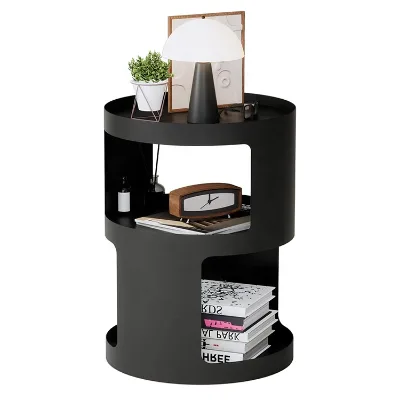


Comprehensive Sourcing Guide
Eco Friendly Metal Bedside Table Sourcing Guide
Sourcing eco-friendly metal bedside tables requires a nuanced understanding of material composition, manufacturing processes, and supply chain transparency. Buyers must distinguish between products that merely use metal frames and those that genuinely prioritize sustainable practices through recycled content, low-VOC finishes, and efficient logistics. The market offers a wide array of options, ranging from simple knock-down designs to more complex solid wood hybrids, each presenting different environmental and logistical implications. Understanding these distinctions is critical for aligning procurement strategies with corporate sustainability goals and regulatory requirements in target markets.
This guide provides a structured approach to evaluating suppliers and products based on observed market data and industry best practices. It focuses on verifying technical specifications, ensuring compliance with safety standards, and managing commercial terms effectively. By adhering to these evidence-based criteria, procurement professionals can mitigate risks associated with greenwashing, quality inconsistencies, and supply chain disruptions. The following sections detail the key areas of focus, from product scope and technical verification to long-term supplier relationship management, ensuring a robust and responsible sourcing process.
Product Scope and Observed Listing Signals
The current market landscape for metal bedside tables reveals a diverse range of product configurations, with observed listings indicating a price range from approximately $6.96 to $3000 USD. This wide variance suggests significant differences in material quality, design complexity, and brand positioning. Buyers should note that while many products are marketed as metal, some listings also include solid wood components, indicating a hybrid construction approach. The observed minimum order quantities (MOQ) range from 1 to 500 pieces, offering flexibility for both small-scale retailers and large institutional buyers. Understanding these signals helps in segmenting suppliers based on their capacity and target market.
Common product attributes include modern and simple styles, with finishes ranging from brown to white and black. Many suppliers offer customization services, including OEM and ODM options, allowing buyers to tailor designs to specific brand identities. The observed model numbers, such as My-Hc-19 and BS-ST-004, indicate standardized production lines, while others offer fully customized dimensions. Buyers should carefully review product descriptions to confirm the primary material composition, as some listings may emphasize metal frames while incorporating other materials for shelves or drawers. This clarity is essential for accurate cost estimation and sustainability reporting.
Technical Specifications to Verify
Verifying technical specifications is crucial for ensuring product durability and fit. Key attributes to confirm include material thickness, which can range from 0.4mm to 1.0mm for metal components, directly impacting structural integrity. Buyers should also check the product dimensions, with observed standard sizes like 453953cm or 4838H35cm, to ensure compatibility with existing furniture layouts. The weight of the product, often around 12kg for certain models, is another critical factor for shipping cost calculations and handling requirements. These specifications must be explicitly stated in the product datasheet to avoid discrepancies upon delivery.
Additionally, the product structure, such as knocked-down (KD) or assembled, affects packaging efficiency and assembly time. Observed packing volumes, typically around 0.03cbm per unit, highlight the importance of optimizing logistics. Buyers should verify the number of layers, with options for two or three-tier designs, to meet specific storage needs. The edge banding process, whether painted or otherwise treated, influences both aesthetics and longevity. Confirming these details with the supplier before placing an order ensures that the final product meets functional and aesthetic expectations, reducing the risk of returns or customer dissatisfaction.
Compliance and Safety Documentation
Compliance with international standards is non-negotiable for eco-friendly furniture procurement. Buyers should request certifications such as ISO9001 for quality management and ISO14001 for environmental management, which indicate a supplier’s commitment to sustainable practices. Additional certifications like SGS and BV provide third-party verification of product quality and safety. These documents are essential for demonstrating due diligence and ensuring that the products meet regulatory requirements in destination markets. Buyers must verify the validity and scope of these certifications to avoid relying on outdated or irrelevant credentials.
Furthermore, buyers should inquire about the chemical composition of finishes and coatings, particularly regarding volatile organic compounds (VOCs). While specific standards like OEKO-TEX or GOTS are mentioned in background contexts, their relevance to metal furniture should be clarified with the supplier. Ensuring that paints and edge banding materials are low-toxicity and environmentally friendly is critical for maintaining the "eco-friendly" claim. Buyers should also check for compliance with fire safety standards, especially for products intended for hotel or commercial use. Requesting test reports from accredited laboratories provides objective evidence of compliance and protects against potential liability issues.
Cost Drivers and Commercial Terms
Understanding the cost drivers behind metal bedside tables is essential for effective budgeting. Key factors include material costs, which fluctuate with global metal prices, and manufacturing complexity, such as custom designs or specialized finishes. The observed FOB price from Qingdao provides a baseline for international shipping costs, but buyers should also account for inland transportation, insurance, and import duties. Payment terms, typically T/T, Western Union, or PayPal, vary by supplier and order size, influencing cash flow management. Negotiating favorable terms can significantly impact the overall landed cost of the product.
Shipping and logistics also play a significant role in total cost. The observed container load of 2270 pieces in a 40HQ container highlights the importance of efficient packaging and stacking. Buyers should consider the packaging volume, typically 0.03cbm per unit, when calculating freight costs. Additionally, the availability of free samples can help in evaluating product quality before committing to large orders, although shipping costs for samples may apply. Understanding these commercial terms allows buyers to make informed decisions and negotiate better deals, ensuring a competitive advantage in the market.
Supplier Qualification and Quality Control
Supplier qualification is a critical step in mitigating procurement risks. Buyers should conduct thorough due diligence, including verifying business licenses, production capacity, and past performance. Requesting references from previous clients and conducting factory audits can provide valuable insights into the supplier’s operational efficiency and quality control processes. Suppliers offering OEM and ODM services should be evaluated for their design capabilities and responsiveness to custom requests. A robust quality control system, including in-process inspections and final random inspections, is essential for maintaining product consistency.
Implementing a clear quality assurance protocol is vital for ensuring that products meet specified standards. Buyers should define acceptable quality limits (AQL) and communicate these clearly to the supplier. Regular communication and feedback loops help in addressing issues promptly and preventing recurring defects. Additionally, buyers should consider the supplier’s ability to handle after-sales service, including warranty claims and replacement parts. Establishing a strong relationship with the supplier based on transparency and mutual trust can lead to long-term benefits, such as priority production slots and better pricing.
Long-Term Procurement Checks
Long-term procurement success depends on continuous monitoring and evaluation of supplier performance. Buyers should establish key performance indicators (KPIs) such as on-time delivery rate, product defect rate, and responsiveness to inquiries. Regular performance reviews help in identifying areas for improvement and reinforcing positive behaviors. Additionally, buyers should stay updated on market trends and regulatory changes that may impact sourcing decisions. Adapting to these changes ensures that the procurement strategy remains relevant and effective over time.
Sustainability should be a core component of long-term procurement checks. Buyers should regularly assess the environmental impact of their supply chain, including carbon footprint and waste management practices. Engaging with suppliers on sustainability initiatives, such as using recycled materials or reducing packaging waste, can enhance the overall eco-friendly profile of the products. Building a resilient supply chain involves diversifying suppliers and maintaining buffer stocks to mitigate risks. By focusing on long-term relationships and continuous improvement, buyers can achieve sustainable and cost-effective procurement outcomes.
FAQs
Can I get a free sample of the metal bedside table?
Yes, a free sample is available for this metal bedside table. This allows buyers to verify quality before placing a bulk order. The product is new and features a modern style suitable for hotels and living rooms. Samples help confirm the 12kg weight and 0.4-1.0mm thickness specifications.
What certifications does the metal bedside table hold?
The metal bedside table holds SGS, BV, ISO14001, and ISO9001 certifications. These documents verify compliance with international quality and environmental standards. Buyers can rely on these credentials for safety and reliability in commercial projects. The product originates from Guangdong, China, ensuring consistent manufacturing standards.
How is the metal bedside table packed for shipping?
The product is packed in an international standard five-layer carton. Each unit is individually wrapped in a carton box to prevent damage during transit. The packing volume is 0.03 cubic meters per piece. This robust packaging supports the 2270-piece capacity of a 40-foot high cube container.
What is the minimum order quantity for this table?
The minimum order quantity is 50 pieces for the metal bedside table. Some listings indicate a lower threshold of 10 pieces for specific customizations. Buyers should confirm the exact MOQ based on their chosen model and customization needs. This ensures efficient production scheduling and cost-effective shipping arrangements.
Can the metal bedside table be customized for my project?
Yes, customization is available for this metal bedside table. Buyers can request specific dimensions, colors, or design modifications through OEM and ODM services. The product supports various sizes and can be tailored to fit specific interior requirements. This flexibility allows for unique designs while maintaining the core metal structure and modern aesthetic.
What payment methods are accepted for this product?
Accepted payment methods include T/T, Western Union, and PayPal. These options provide flexibility for international buyers to secure their orders. The payment terms are designed to facilitate smooth transactions for both small and large volume purchases. Buyers should verify specific terms with the supplier before finalizing the agreement.
Where is the metal bedside table manufactured?
The metal bedside table is manufactured in Guangdong, China. This region is known for its robust furniture manufacturing capabilities and export infrastructure. The product origin ensures access to established supply chains and quality control processes. Buyers can expect reliable logistics support from this major production hub.